Strategy is where a lot of Go-To-Market (GTM) teams get stuck.
They jump from channel to channel (trying inbound, outbound, paid, organic, podcasts, LinkedIn), hoping something finally clicks. And when it doesn’t, they assume the problem is execution.
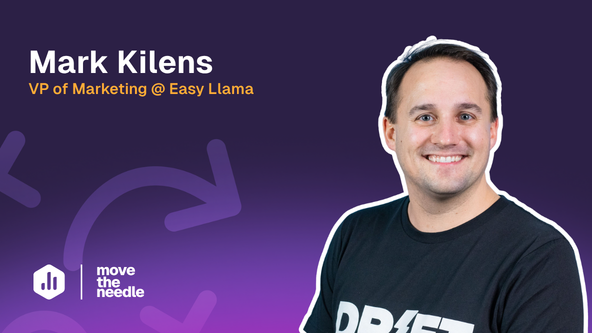
But as Mark Kilens, VP of Marketing at EasyLlama, explains in this episode of Metrics & Chill, that’s rarely the case.
“They don’t have the fundamentals down of what we’re talking about here, which is ICP and strategy.”
Watch the full episode
The companies that scale consistently don’t do more. They do fewer things, better—because they start with the right foundation.
This playbook breaks down how to build that foundation.
1. Start With the “Who” (Not the Channel)
Before you think about channels, campaigns, or tactics, you need clarity on one thing: your Ideal Customer Profile (ICP).
“The first thing any great marketer, salesperson, any great Go-To-Market leader does is they deeply start to understand the who.”
Most teams skip this step or rely on intuition instead of evidence.
“You kind of know your gut what should be the ICP, but let’s really validate it. And you might be surprised sometimes.”
How to do this right:
- Analyze your existing customers (not just prospects)
- Look at retention, expansion, and usage—not just acquisition
- Identify patterns across your best customers
- Involve multiple teams (product, sales, marketing, ops)
Why it matters:
Your ICP doesn’t just define who you market to. It defines:
- What you build
- How you price
- How you position
- How you sell
If this is wrong, everything else will feel harder than it should.
2. Diagnose the Real Problem: Random Execution
Many teams believe they’re experimenting, but what they are really doing is reacting. Moving from channel to channel creates a cycle of effort without progress.
The real issue is lack of direction.
What high-performing teams do differently:
They start with a strategy, then build a plan, then execute consistently.
A simple way to think about it:
- Strategy → Where to play and how to win
- Plan → What you’ll do over the next 90 days
- Execute → Consistent, measurable actions
- Adjust → Based on data
Without this sequence, you’re just guessing faster.
3. Let ICP Drive Your Entire Business
Once your ICP is clear, it should influence every major decision.
At EasyLlama, this showed up in three key areas:
1. Product
Understanding where they win and lose helped shape the product roadmap.
2. Pricing and Packaging
They adjusted how they structured their offering based on who they serve best.
3. Positioning
They shifted from reactive compliance to a proactive, agile approach.
This alignment creates leverage.
Instead of forcing growth through tactics, the business becomes naturally easier to sell.
4. Don’t Overcomplicate GTM Metrics
Many teams jump straight into advanced analytics before they understand the basics.
“You don’t need to do like this crazy LTV to CAC analysis… you don’t need all this shit.”
What matters first is simple:
“When you look at your expense of GTM… and you look at how much revenue that brings in… is that healthy or not healthy?”
Start here:
- How much are we spending?
- How much pipeline/revenue are we generating?
- Is that improving over time?
You can always get more sophisticated later, but if the fundamentals aren’t working, more complexity won’t fix it.
5. Understand the Role of Pain in Your GTM Motion
Not all products are sold the same way.
“That is on a spectrum of how important and big is the pain.”
If the problem you solve is urgent and required (like compliance), demand already exists.
But that doesn’t mean growth is automatic.
“You could be like, great, everyone needs this… all we have to do is show up… and we’ll be good.”
“No. It’s not that easy.”
The takeaway:
- High pain → more demand capture opportunities
- Lower pain → more demand creation required
Your GTM strategy needs to reflect that reality.
6. Build Distribution Leverage
One of the most important ideas in modern GTM is distribution.
It’s not enough to have a great product or message.
You need a reliable way to get it in front of the right people—consistently.
This means:
- Showing up where buyers are already looking
- Creating content that shapes how they think
- Building channels you control
The goal isn’t just reach.
It’s leverage—so your efforts compound over time.
7. Align Marketing and Sales Around Intent
Traditional MQL-based systems often create misalignment.
A simpler model:
- Marketing nurtures interest
- Sales engages when intent is clear
At EasyLlama, they think in terms of “hand raisers” or people who take meaningful actions that signal buying intent.
This creates clarity for both teams:
- Marketing knows what to optimize for
- Sales knows who to prioritize
Final Takeaway: Strategy Before Tactics
If your growth feels inconsistent, it’s tempting to look for a new channel or tactic.
But the real fix is usually upstream.
- Get clear on your ICP
- Align your product, pricing, and positioning
- Build a simple, repeatable system for execution
Then—and only then—do tactics start to work.
Use Genie to validate your ICP (and stop guessing)
Most teams think they know their ICP.
But actually validating it means digging through product usage, retention, expansion, and revenue data—and connecting those signals together.
That’s where Genie comes in.
Instead of building reports or waiting on analysis, you can just ask:
- “Which customer segments have the highest retention?”
- “Which accounts expand the fastest?”
- “What do our best customers have in common?”
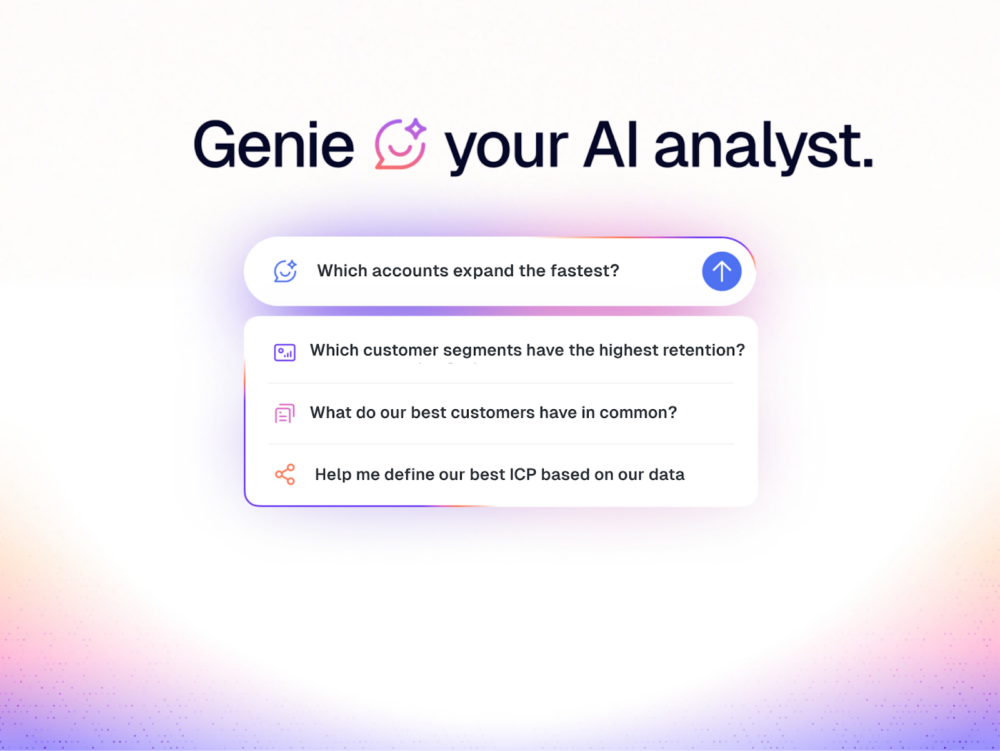
Genie analyzes your connected data and surfaces patterns instantly—so you can validate (or challenge) your assumptions about who you should really be targeting.
Because, as Mark Kilens pointed out, your gut isn’t enough.
The teams that scale are the ones that back their strategy with real data—and act on it.
Try it with your own data and see what you uncover ? click