A year ago we announced that Databox is becoming an AI-first company.
At the time, that mostly meant what it meant for many companies in 2025: AI becoming a strategic priority. Teams were encouraged to experiment and adopt new tools, as it was clear that AI wasn’t a trend we could ignore.
That was the easy part.
What’s become clear over the last year is that there’s a significant difference between being AI-first and being AI-native.
The Gap Between AI-First and AI-Native
AI-first is a decision. AI-native is a transformation.
It has become clear that the companies that make AI native to how their teams operate will outship, outlearn, and outscale the companies that treat AI as an additional layer on top of existing processes.
Why?
Because AI-native organizations don’t simply use AI to do the same work faster, but they redesign how work gets done.
At Databox, we’ve spent this year moving from AI-first to AI-native. Along the way, we’ve learned enough to see that becoming AI-native is less about adopting a specific tool and more about changing how an entire company thinks about work.
This is the story of how we’re doing it.
What Does AI-Native Actually Mean?
For us, the distinction is simple:
AI-first means AI is a strategic priority. AI-native means AI is the default way work gets done.
The difference is subtle, but important.
In an AI-first company, AI is available. In an AI-native company, AI is embedded in daily habits, in team workflows, and in how people think about their jobs.
Importantly, the goal isn’t to create a company where everyone uses ChatGPT, but to create a company where individuals can operate with significantly more autonomy, move faster, and accomplish work that previously would have required more headcount, more specialized expertise, or more time.
That’s why becoming AI-native isn’t just a shift in technology, but culture, too.
In our experience, three dimensions need to evolve together:
- Technology. Teams need access to the right tools, models, and systems.
- Process. Existing workflows need to be redesigned around what AI can now do.
- Mindset. People need to stop thinking of AI as a tool they occasionally use and start thinking of it as a collaborator that’s available for almost every task.
Most companies focus heavily on the first dimension, but to make the biggest gain, you need to invest in all three equally.
This is the story of how we do it at Databox.
Top-down signal, bottom-up adoption
At Databox, our path toward becoming AI-native didn’t start with a company-wide transformation program, but with leadership encouraging teams to experiment with AI. There wasn’t a mandatory rollout or a detailed playbook, but a top-down direction with a simple message: try things, share what you learn, and look for ways to work better.
Two initiatives helped create the foundation that made that possible.
Coding Days
If we had to point to the beginning of our AI-native journey, it would probably be Coding Days.
What started as a single day for engineers to explore ideas outside the roadmap eventually evolved into a company-wide, two-day hackathon focused on experimentation, building, and shipping.
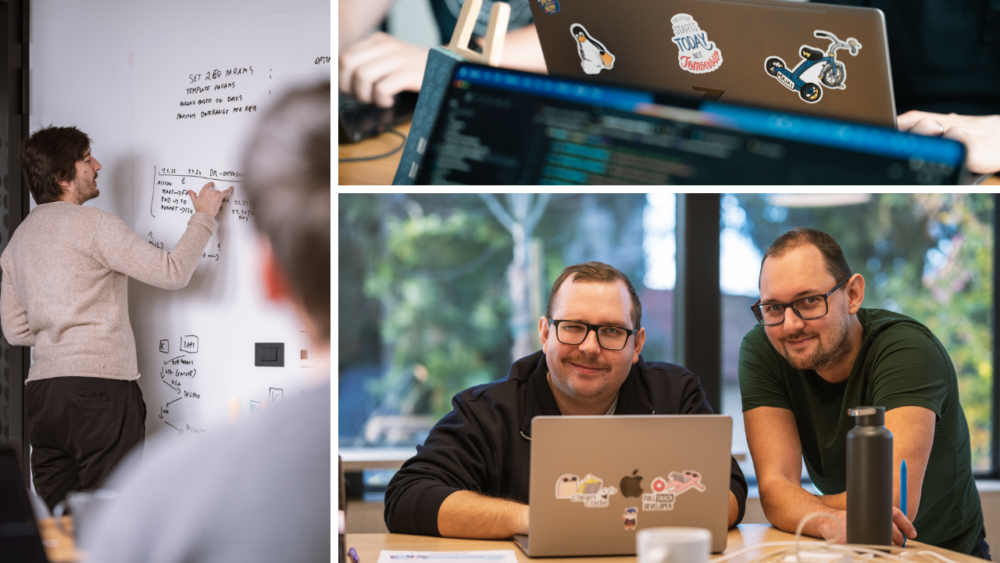
It gave people permission to explore. Ideas that had been sitting in notebooks or Slack messages suddenly had a place to go. By the fourth edition, teams from Product, Engineering, Support, RevOps, and Sales Engineering were working side by side, building tools that improved everything from content creation to customer support. Fourteen projects shipped in just two days.
The biggest outcome wasn’t the projects themselves, but people approaching problems differently and becoming willing to experiment with AI.
Company-wide AI introduction course
As AI adoption spread beyond Product and Engineering, a different challenge emerged: many people wanted to use AI but didn’t know where to start.
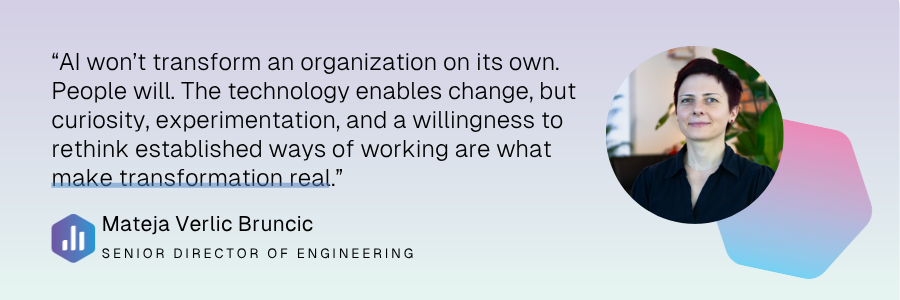
To close that gap, our Senior Director of Engineering created an internal introduction to AI course designed specifically for non-technical teams. The goal wasn’t to turn marketers, salespeople, or operations professionals into engineers, but give them a model for understanding what AI tools are, what they can do, and when to use them.
The course focused on removing intimidation rather than teaching advanced concepts. It also emphasized a simple principle: the goal isn’t to use AI for its own sake, but to stop spending time on repetitive work that machines can handle and redirect that time toward higher-value thinking.
Perhaps most importantly, it gave people a framework for identifying opportunities in their own jobs. Instead of wondering whether AI was relevant to them, team members started asking which parts of their workflow could be automated, accelerated, or improved.
That shift in thinking created a common language for AI adoption across the company.
What AI-Native means for Individual Teams
What an AI-native marketing team looks like is different from what an AI-native sales team or engineering team looks like. The common thread isn’t the tool, but the question “What work should humans be doing, and what work can AI do for us?”
As teams at Databox started answering that question, AI adoption became less about experimentation and more about redesigning how work gets done.
Product & Engineering: Turning Individual Knowledge Into Team Knowledge
Product and Engineering was where our AI-native journey started. One of the biggest lessons we learned early was that individual AI expertise doesn’t scale. If someone discovers a better prompt, workflow, or way of working, it shouldn’t stay in their head.
To solve that, the team built a shared skills library in GitHub: a living repository of prompts, workflows, coding patterns, and AI playbooks. When someone finds a better way to write code, debug an issue, generate documentation, or automate a task, it gets documented and shared with everyone else.
The result is that improvements compound across the entire team instead of staying with individual power users.
Sales: Letting Agents Handle the Prep Work
For our sales team, becoming AI-native meant removing the prep work that happens before a salesperson ever joins the conversation.
One example is Anna, our AI sales agent. Anna handles inbound website conversations, answers common questions, qualifies prospects, and determines when a human salesperson should get involved.
The goal isn’t to automate sales. It’s to automate qualification so salespeople can spend more time building relationships and less time monitoring chats.
Sales: Automating Prospecting
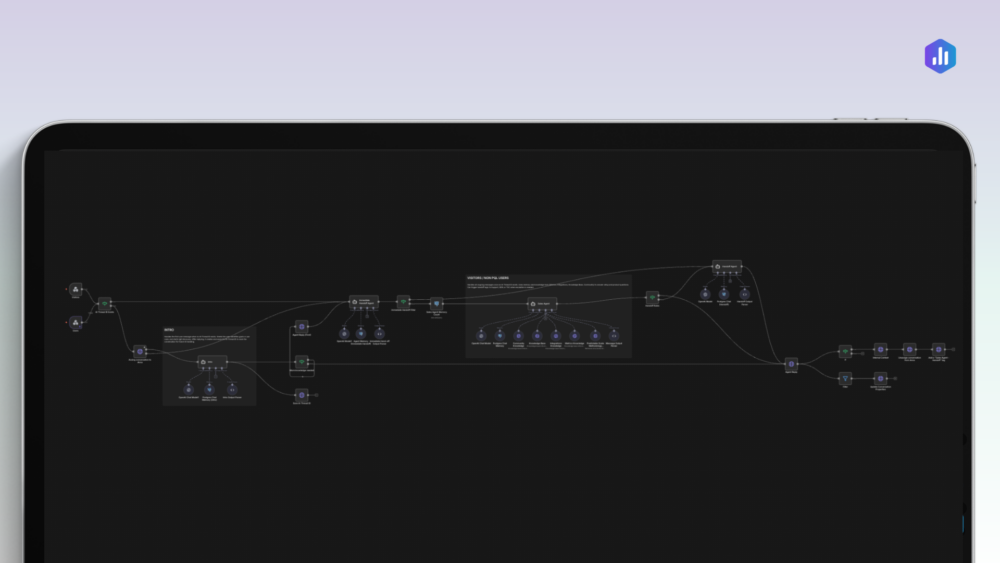
We also use AI and automation to eliminate much of the manual work involved in outbound prospecting.
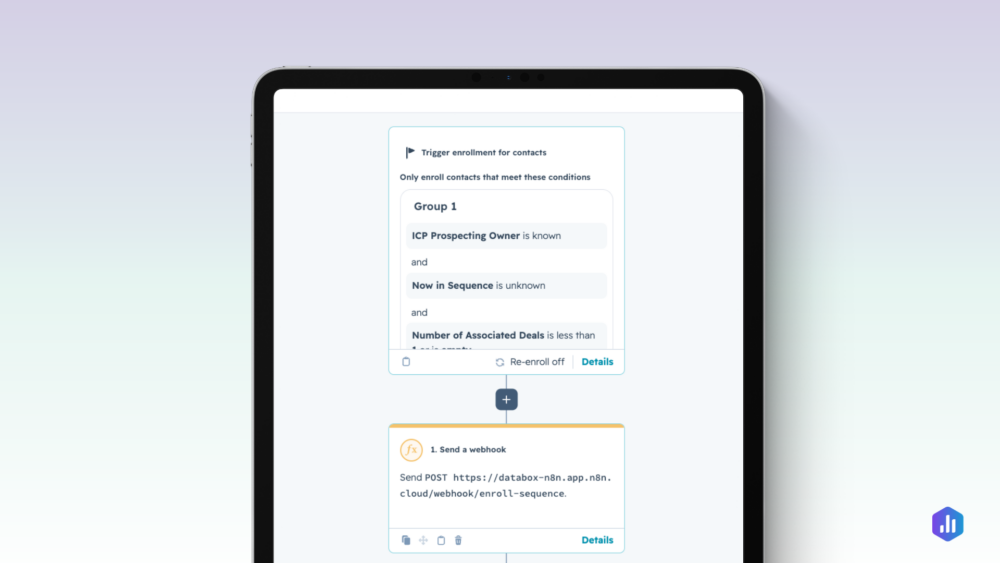
When a new prospect enters our system, workflows automatically enrich their profile, identify their LinkedIn account, assign them to the right salesperson, and enroll them into the appropriate outreach sequences across email and LinkedIn.
What previously required multiple tools and several manual steps now happens automatically in the background, allowing salespeople to focus on personalization, conversations, and follow-up rather than list building and administrative work.
Account Management: Scaling Personalized Outreach
For Account Management, the opportunity was scaling proactive communication without sacrificing personalization.
One example is our renewal-risk workflow. When an account shows signs that it may need attention, an AI agent automatically generates a personalized email draft using customer data, product usage, and account history.
The Customer Success Manager reviews the draft, adds their own context if needed, and sends it.
Instead of spending time gathering information and writing routine emails, CSMs can focus on helping customers succeed.
Marketing: Building an AI Content Engine
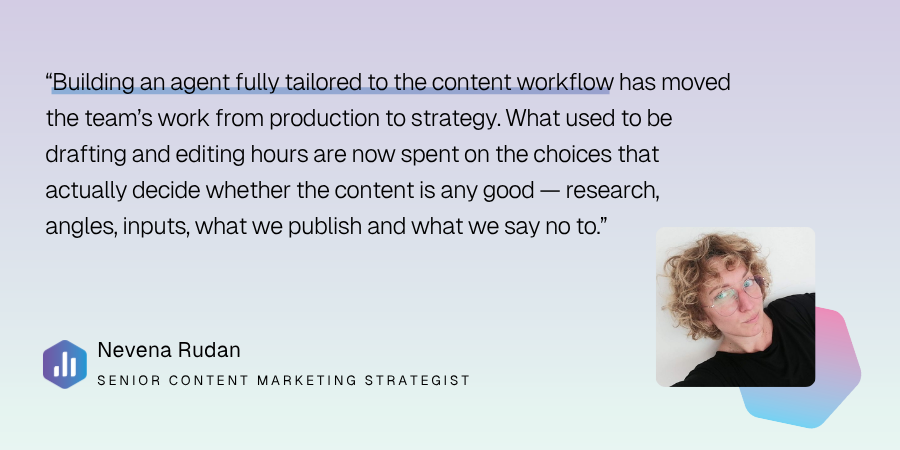
Recently, we replaced the article-writing workflow with a six-stage agent pipeline built in n8n. Since then, 30+ posts have shipped, and the signals so far are promising: even though raw traffic is a noisier metric than it used to be (as we’re operating in a zero-click search environment now), our posts are increasingly being cited by LLMs, which is the clearest evidence that the content is working. The agent pipeline does most of what a small content team previously spent hours on: SERP analysis, outlining, briefing, applying POVs, pulling and incorporating relevant survey stats, drafting, editing, scoring against a 10-dimension quality rubric, and generating the hero image. The final polish stays human, and publishing isn’t automated on purpose: final judgment sits with us.
The hours that used to go into drafting and editing now go into the things that actually determine quality: maintaining the POV, keeping survey stats current, refining the rubric, choosing angles, testing new approaches, and deciding what we ship.
Sales Development: Scaling Outreach Without Losing Personalization
For our Sales Development team, becoming AI-native meant solving a classic volume-versus-quality problem: how do you reach more prospects without turning outreach into spam?
The answer was Clay. We now use it to automate outbound workflows, enriching prospect profiles, identifying LinkedIn accounts, and enrolling new prospects into the right outreach sequences across email and LinkedIn. It also enables us to re-engage prospects who didn’t respond to in-app messages, and to identify and reach net-new prospects who fit our ICP but haven’t yet interacted with Databox.
What previously required manual list building, tool-switching, and administrative overhead now runs in the background. The Sales Development team spends that recovered time on the parts of the job that actually require a person: replies, relationship-building, and higher-quality lead engagement. More reach, better conversations.
Support: Deciding What Doesn’t Need a Human
Most companies thinking about AI in support ask “how can AI help our team?” We asked a slightly different question: “Which conversations don’t actually need a human at all?”
For lower-tier plans, the answer was most of them. We deployed Fin, an AI-powered chatbot through Intercom, which now handles 100% of inbound chat volume. Fin currently resolves 70% of chats autonomously. The remaining 30% get escalated to the human support team, which means those conversations are the ones genuinely worth a human’s time.
The drop in escalation volume freed the support team from reactive queue management. That space went toward deeper work: complex cases, building out knowledge that makes FIN smarter, and more proactive customer engagement. Over time, the team has also been able to contribute to revenue-producing activities — supporting sales and account management in converting and nurturing leads — work that wouldn’t have been possible when the team was fielding routine questions all day.
People & Culture: Keeping the workshops human, automating the rest
Our People & Culture team runs a lot of in-house leadership development workshops. The in-person format is intentional and is based on the discussions, the questions, the energy in the room, and even the coffee breaks are part of what makes them work. That’s not changing.
What changed is what happens after the workshop ends. Instead of recording sessions and spending hours editing out pauses, breakout moments, and transitions, we now turn slide decks and speaker notes into video lessons narrated by AI versions of our People and Culture team members. The substance of the session gets captured and shared, without anyone sitting through hours of editing to make it happen.
It’s a small shift in process, but it’s a good example of the broader principle: AI handles the repetitive production work, and people focus on the parts that actually require them.
Team-Wide: Using Databox Through MCP
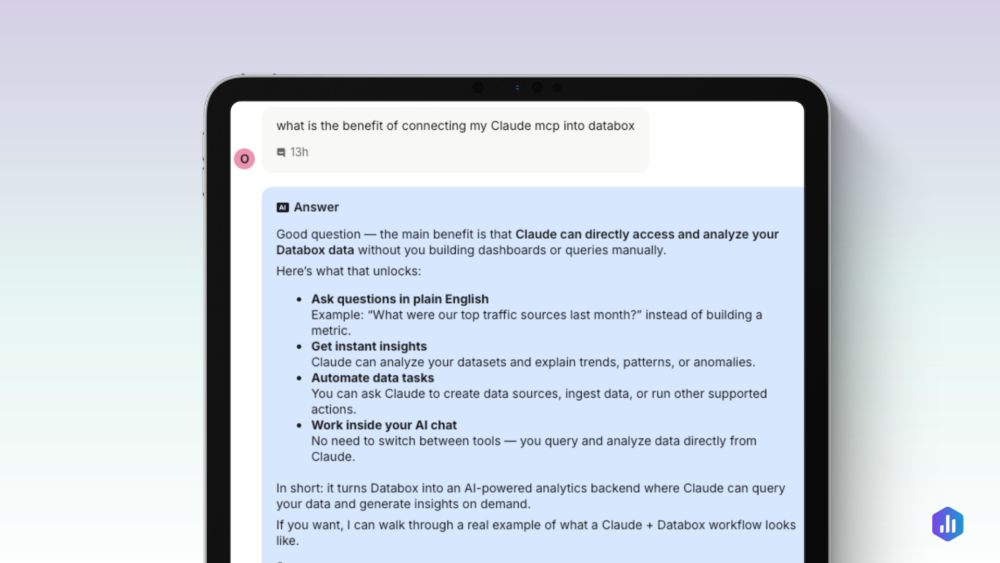
One of the most impactful changes wasn’t limited to a single team. Today, employees across Databox connect directly to Databox through MCP (Model Context Protocol) inside Claude. Instead of manually opening dashboards, searching for metrics, or navigating reports, they can ask questions in natural language and get answers directly from company data.
Want to understand why signups dropped last week? Ask Claude. Need to pull customer health metrics before a meeting? Ask Claude. Looking for campaign performance data? Ask Claude.
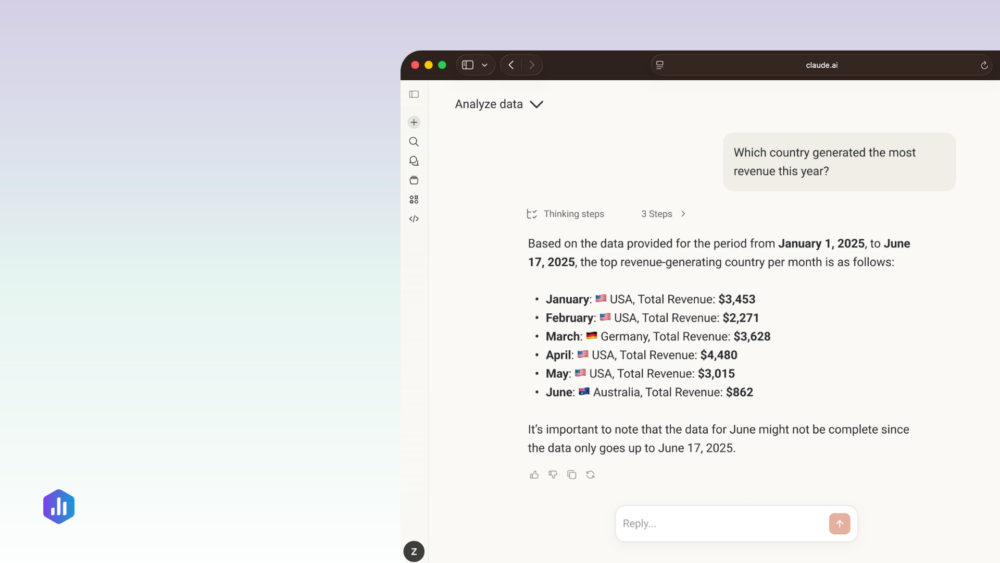
This has fundamentally changed how people access information. Instead of AI being disconnected from the systems where work happens, it has direct access to the context people need every day.
That’s a key part of becoming AI-native: making AI part of the workflow, not another tool employees have to remember to open.
How to Shift the Mindset
When teams start viewing AI as a collaborator rather than a tool, they begin redesigning workflows instead of simply accelerating existing ones. Repetitive work gets automated. Research gets faster. Information becomes easier to access. Individuals gain leverage that would have previously required additional people, time, or expertise.
But mindset shifts don’t happen because leadership tells people to think differently.
They happen when people are encouraged to experiment, given permission to fail, and trusted to find new ways of working. Technology and processes matter, but they don’t work without ownership from the people using them every day.
That’s why becoming AI-native requires all three dimensions to move together: technology, process, and mindset.
If you miss one, progress stalls.
Becoming AI-Native is a Work in Progress
If there’s one thing we’ve learned over the past years, it’s that becoming AI-native isn’t a destination, because the tools change too quickly. It’s not about reaching a final stage, but building a culture that can continuously adapt.
At Databox, we’re still experimenting with what works and what doesn’t.
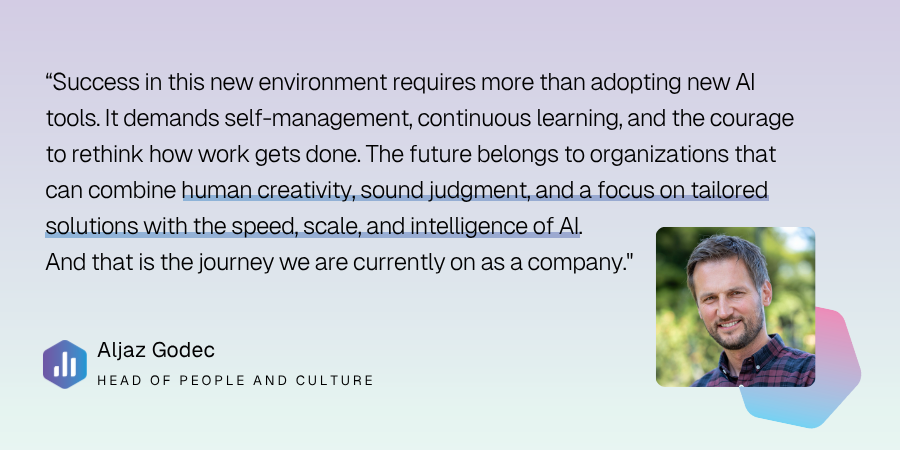
New workflows emerge every month. Teams continue finding new ways to apply AI to their work. What feels impossible today may become routine next quarter.
That’s why we don’t think of AI-native as a project, but as a capability to learn and adapt quicker.
And in a world where AI is improving every day, that capability may become one of the most important competitive advantages a company can build.